
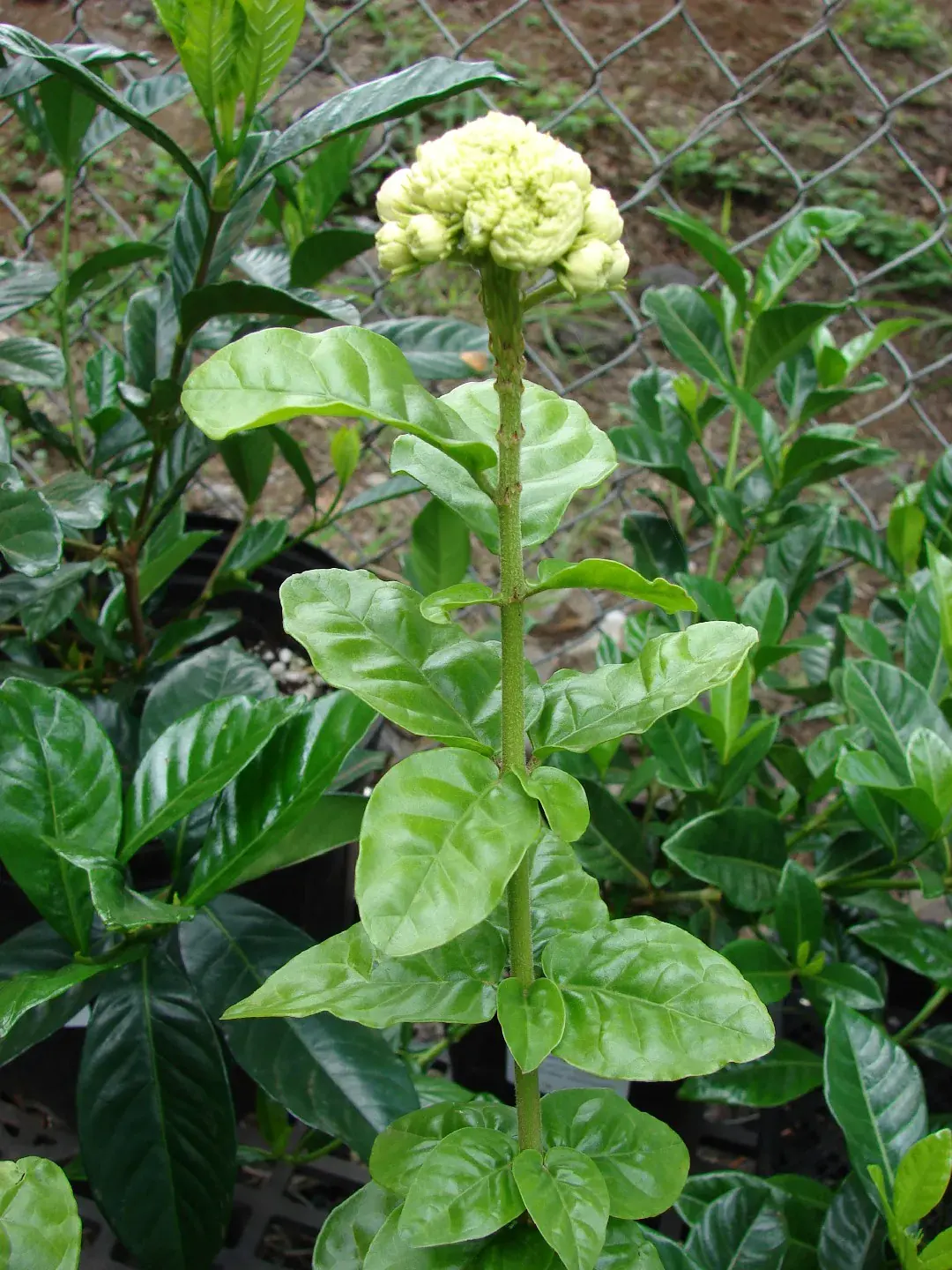
Arabian jasmine
A small white flower whose scent fills the courtyard after sunset.
- Scientific name: Jasminum sambac
- Family: Olive family
- Also known as: Full, Sambac jasmine
Arabian jasmine is grown for its scent before its looks. The flower itself is small, white and unremarkable, but the fragrance intensifies after sundown and carries across an entire courtyard. Plant it beside an outdoor majlis or a window you open in the evening — not at the far end of the garden.
At a glance
- Plant typeShrub or climber
- WateringEvery 1–2 weeks
- LightPart shade
- Comfortable range20 – 38 °C
- Height50 cm – 1 m
- Spread1.8 – 3 m
- FloweringMid spring through autumn
Care guide
Watering
Even moisture every one to two weeks. Jasmine comes from the tropics and wants more humidity than most plants on this list; in a dry summer, misting the foliage in the evening helps lift the humidity around it.
Light and heat
Part shade suits it best. Full sun all day through a Saudi summer scorches the leaf edges — an east-facing spot that catches only morning sun is ideal.
Soil and feeding
Rich, free-draining soil. Feed fortnightly with a half-strength high-nitrogen mix through the growing season to sustain repeat flowering, easing off in winter.
Pruning
Prune in late spring after the first flush to encourage new growth that will carry flowers. Avoid hard pruning — it costs you a season of bloom.
Propagation
Cuttings 10–15 cm long from non-flowering stems, lower leaves stripped, rooting hormone applied, kept humid.
In Saudi conditions
In the dry interior, grow jasmine in a movable container or in a part-shaded spot against a wall that shelters it from afternoon sun and hot summer wind.
Common problems
- Leaf edges scorching in direct sun combined with dry air
- Aphids and thrips on the flower buds
- Sparse flowering from too little light, or pruning at the wrong time
- Yellowing leaves from over-watering and poor drainage
Need a hand?
Choosing the right position and setting a feeding programme for a long flowering season fall under our consulting and maintenance services.
Similar plants
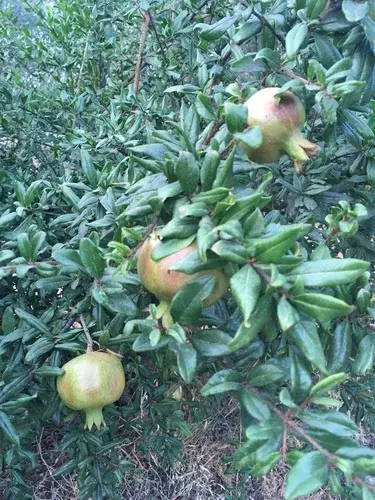
Pomegranate
Punica granatum
Crimson flowers in summer, fruit in autumn, on a tree that takes both heat and cold.
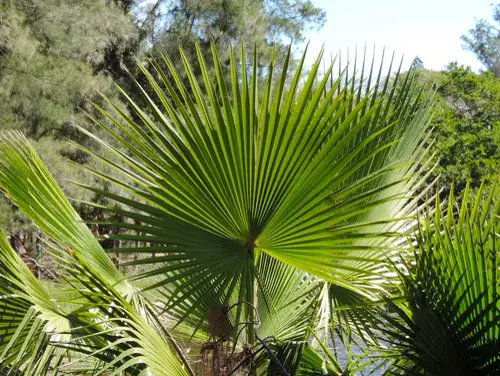
Washingtonia palm
Washingtonia robusta
A fast-growing ornamental palm with a slim trunk and fan fronds — the default at villa entrances.
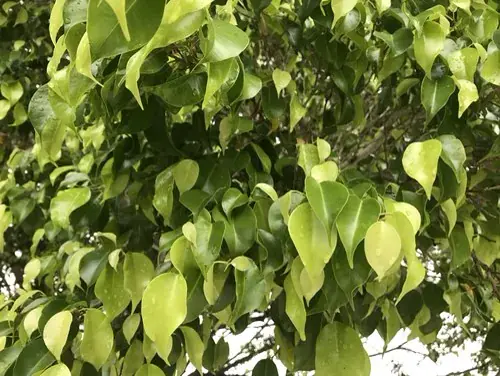
Ficus nitida
Ficus microcarpa
Glossy evergreen shade — clipped as a hedge or left to grow into a large tree.
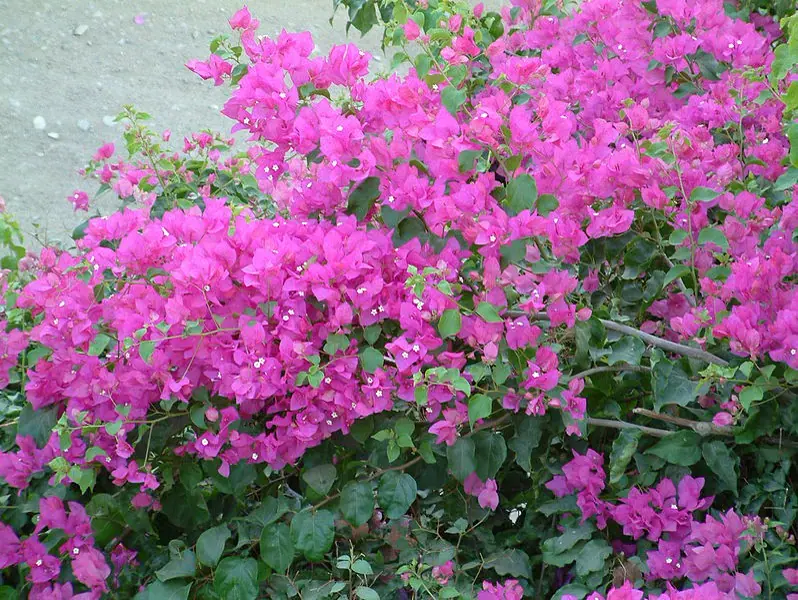
Bougainvillea
Bougainvillea glabra
The most colour per litre of water of anything in a Saudi garden.