
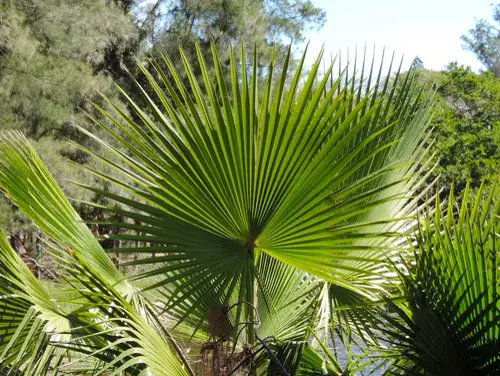
Washingtonia palm
A fast-growing ornamental palm with a slim trunk and fan fronds — the default at villa entrances.
- Scientific name: Washingtonia robusta
- Family: Palm family
- Also known as: Mexican fan palm
Washingtonia is the palm lining roads and villa entrances across most Saudi cities, and for good reason: it grows quickly, its slim trunk needs little horizontal room, and its fan fronds give a formal, orderly look. It is an ornamental palm, not a fruiting one.
At a glance
- Plant typePalm
- WateringEvery 1–2 weeks
- LightFull sun
- Comfortable range20 – 38 °C
- Height25 – 30 m
- Spread2 – 3 m
- Growth rateFast
Care guide
Watering
Infrequent watering every one to two weeks, keeping the soil on the dry side. Excess water pooling around the base is the leading cause of root rot in this species.
Light and heat
Full sun. It handles drought, wind and salt, which is why it turns up so often in coastal projects and along exposed roads.
Soil and feeding
Free-draining garden soil. Use a palm-specific or slow-release feed quarterly, and keep fertiliser away from the trunk base to avoid burning the roots.
Pruning
Remove dead fronds in early spring. Regular cleaning is not purely cosmetic: a skirt of dry fronds on the trunk is a real fire risk close to buildings.
Propagation
From seed in spring. It needs warmth and the right soil; emerging shoots and healthy roots mark success.
In Saudi conditions
Its speed is both the selling point and the catch: it reaches serious height within a few years, which means pruning quickly becomes a job needing a lift and proper equipment. Factor that in when siting one near the house.
Common problems
- Dry fronds accumulating on the trunk — a fire risk, not a cosmetic issue
- Frond tips yellowing from under-watering or salt
- Scale insects and mealybug
- Trunk leaning in loose soil if the young palm was not staked in its first year
Need a hand?
Frond cleaning at height needs the right equipment — book it as routine maintenance rather than letting it build up.
Similar plants
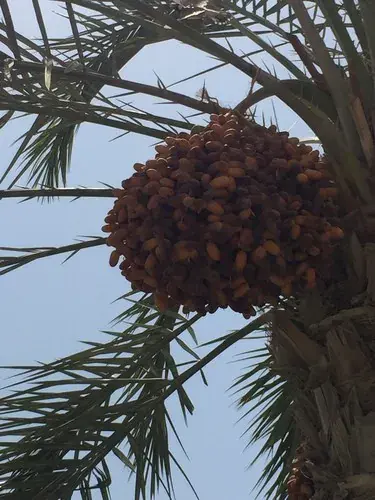
Date palm
Phoenix dactylifera
Saudi Arabia's signature tree: heat-hardy, salt-tolerant, productive for decades.
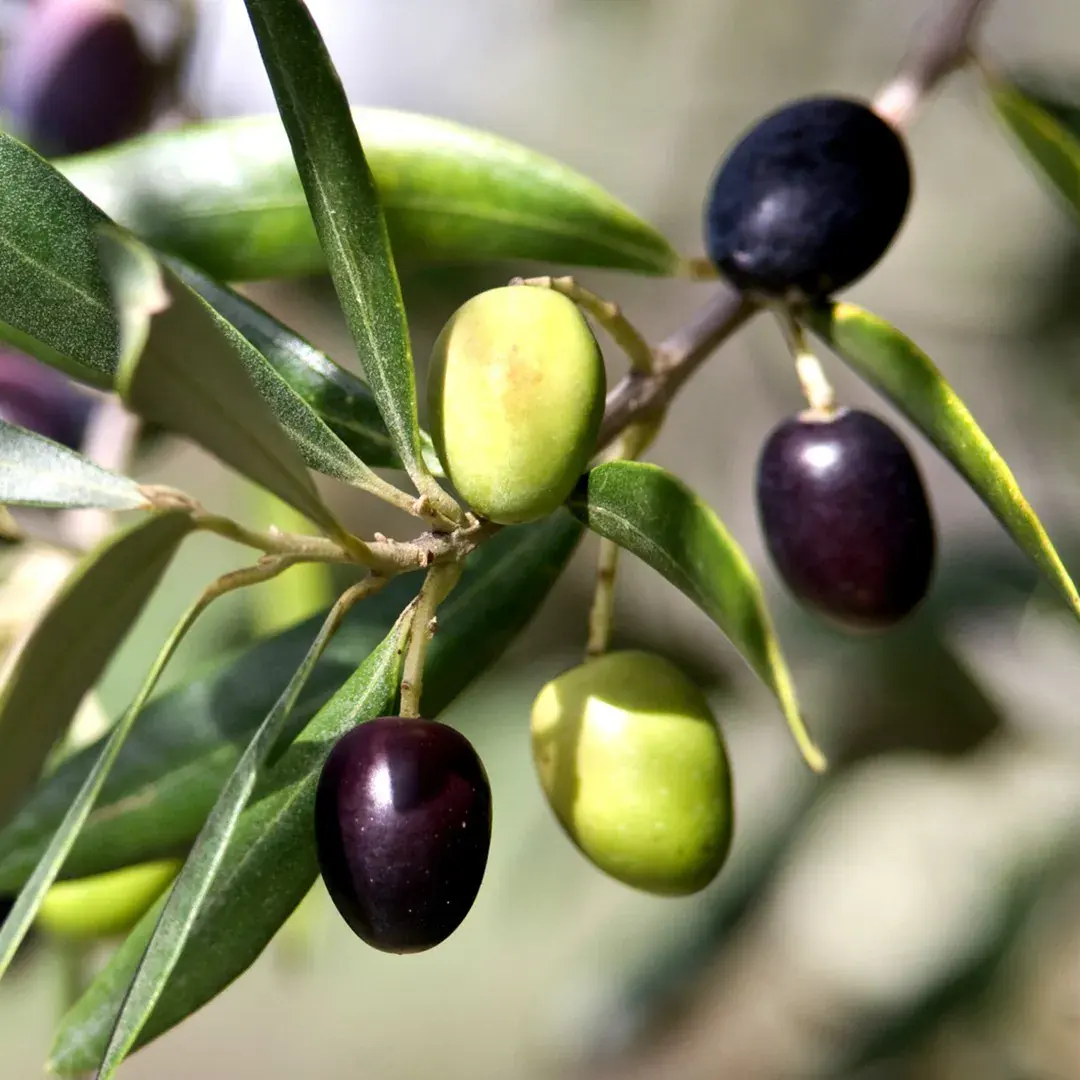
Olive
Olea europaea
A long-lived, silver-leaved tree that shrugs off drought — as a hedge or a specimen.
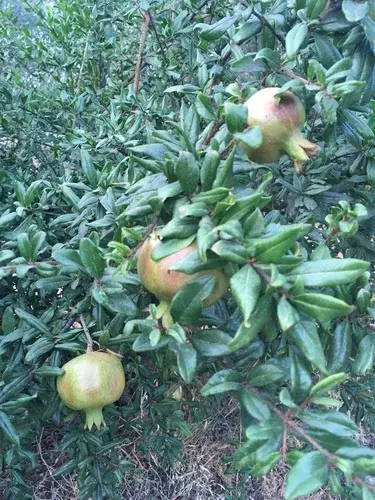
Pomegranate
Punica granatum
Crimson flowers in summer, fruit in autumn, on a tree that takes both heat and cold.
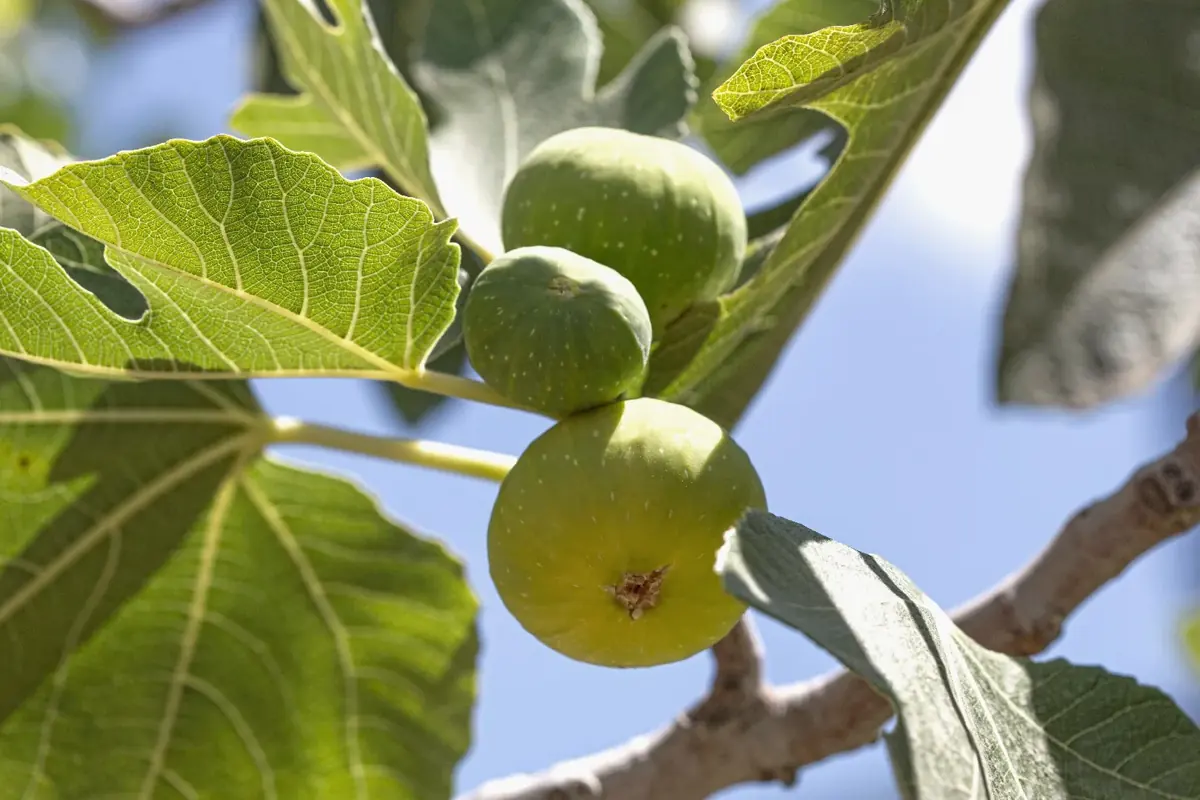
Fig
Ficus carica
Broad leaves, dense shade and early fruit — fast-growing and undemanding.