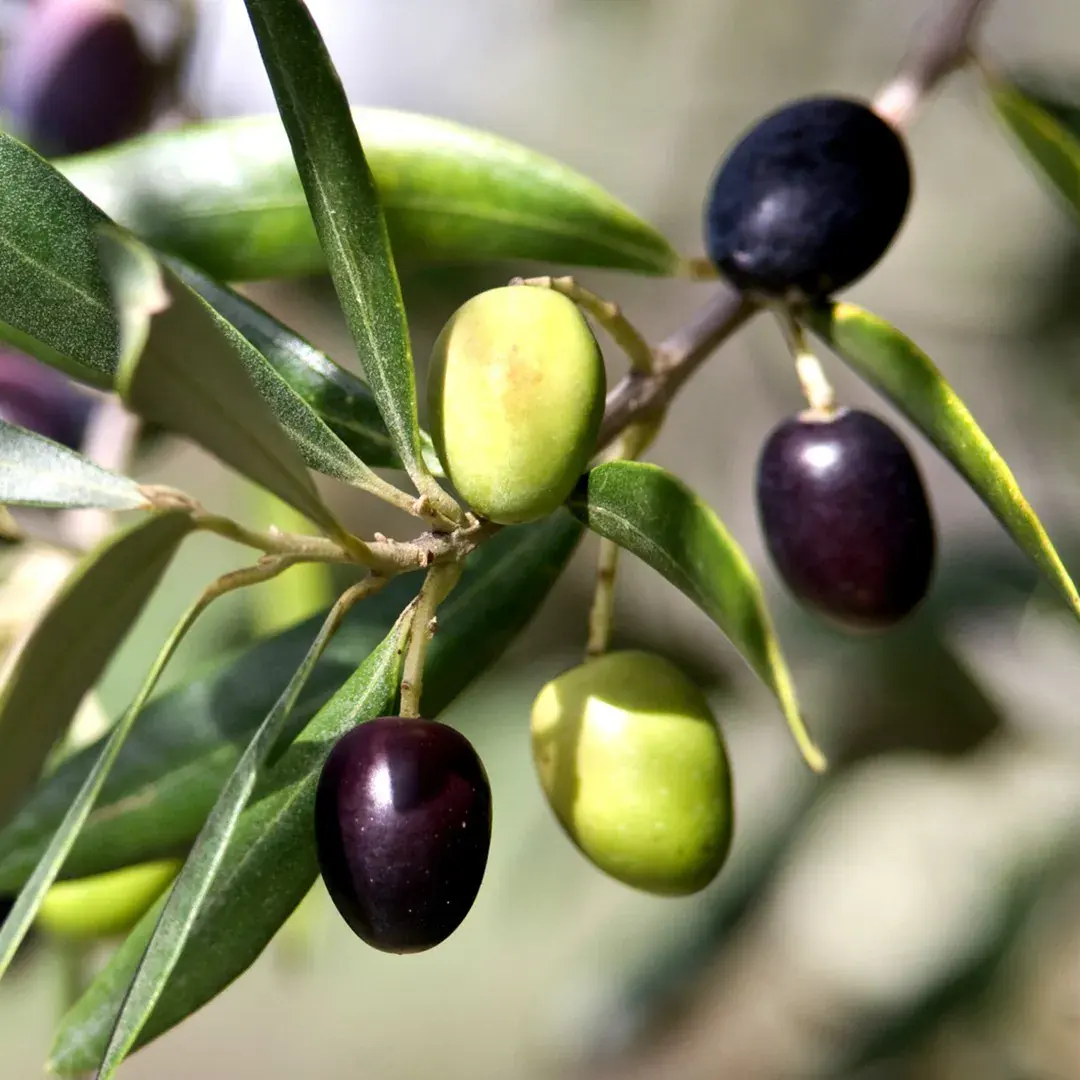
Olive
A long-lived, silver-leaved tree that shrugs off drought — as a hedge or a specimen.
- Scientific name: Olea europaea
- Family: Olive family
The olive earns its place on looks alone, long before it fruits. Its silver foliage bounces light back and takes the edge off the heat, and it is one of the few productive trees that succeeds in Saudi gardens without daily attention. It grows slowly and lives a very long time.
At a glance
- Plant typeTree or shrub
- WateringEvery 1–2 weeks
- LightFull sun
- Comfortable range15 – 35 °C
- Height4 – 15 m
- SpreadUp to 8 m
- FloweringMid to late spring
- HarvestSummer and autumn
Care guide
Watering
Water every one to two weeks and let the soil dry in between. An olive will die of too much water far faster than of thirst — drainage matters more than volume.
Light and heat
Full sun. It handles 35 °C comfortably, though it appreciates some shelter from dust-laden wind on exposed sites.
Soil and feeding
Light, free-draining soil. Feed twice a year, spring and autumn, with a balanced mix and a little extra nitrogen before flowering. Over-feeding buys leaves at the expense of fruit.
Pruning
Prune in winter to open the centre to air and light and clear dead wood. Regular light pruning beats a hard cut every few years.
Propagation
Semi-hardwood cuttings a few centimetres long with several nodes, dipped in rooting hormone and set in free-draining soil. Keep moisture steady without waterlogging.
In Saudi conditions
Olives do best in the centre and north of the Kingdom, where winters cool slightly — a spell of winter chill is what triggers good flowering. In hot, humid coastal areas they often grow well but fruit only erratically.
Common problems
- A whole branch wilting suddenly — usually a root problem or over-watering
- Mealybug and scale on the inner branches
- Brown leaf spotting where humidity is high and airflow poor
- Alternate-year cropping if pruning is neglected
Need a hand?
Shaping olives as a hedge or a specimen tree, plus the annual winter prune, are part of our landscaping and maintenance work.
Similar plants
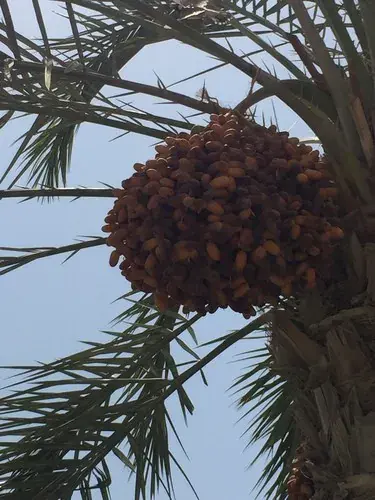
Date palm
Phoenix dactylifera
Saudi Arabia's signature tree: heat-hardy, salt-tolerant, productive for decades.
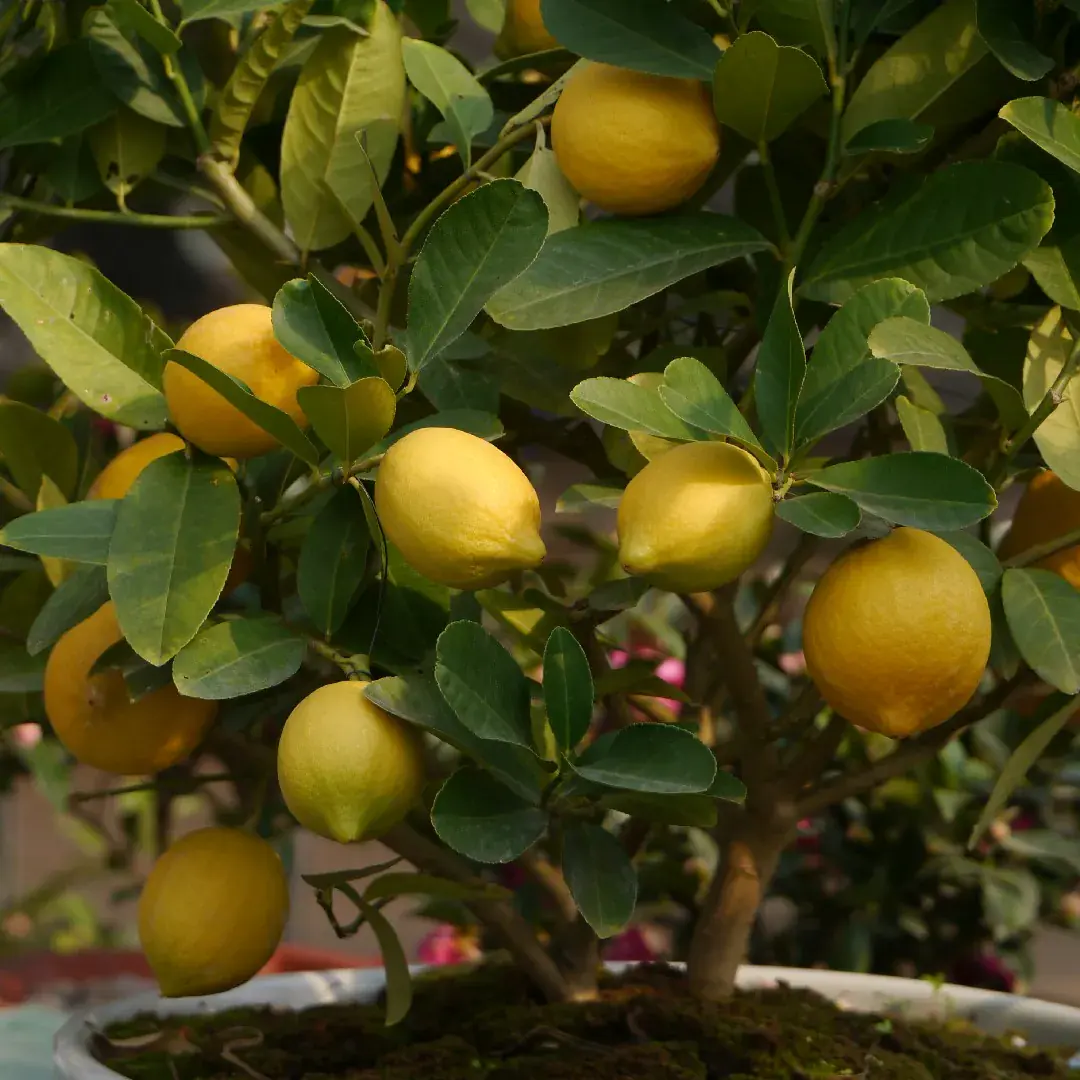
Lemon
Citrus limon
The most requested citrus for home gardens: compact, fragrant, productive most of the year.
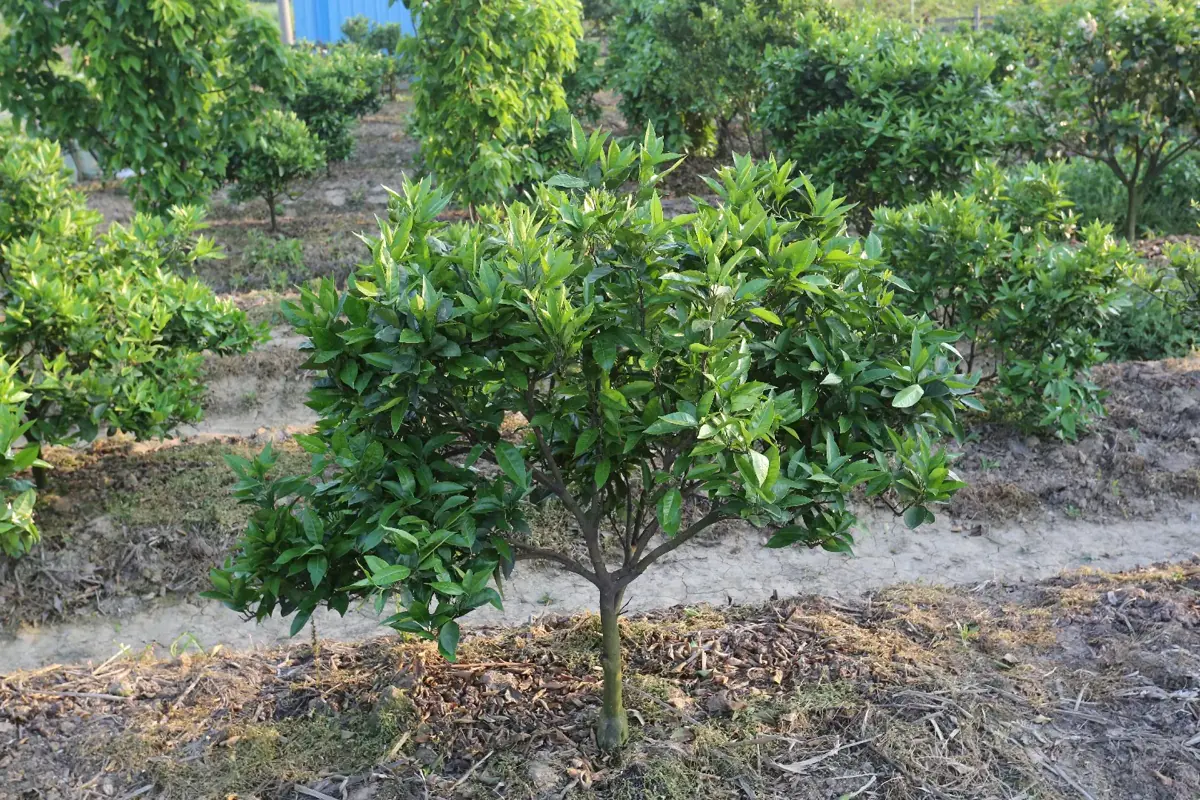
Mandarin
Citrus reticulata
Small, easy-peel citrus on a tree that fits a narrow courtyard.
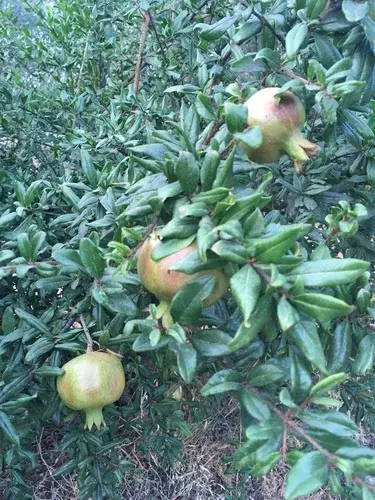
Pomegranate
Punica granatum
Crimson flowers in summer, fruit in autumn, on a tree that takes both heat and cold.