
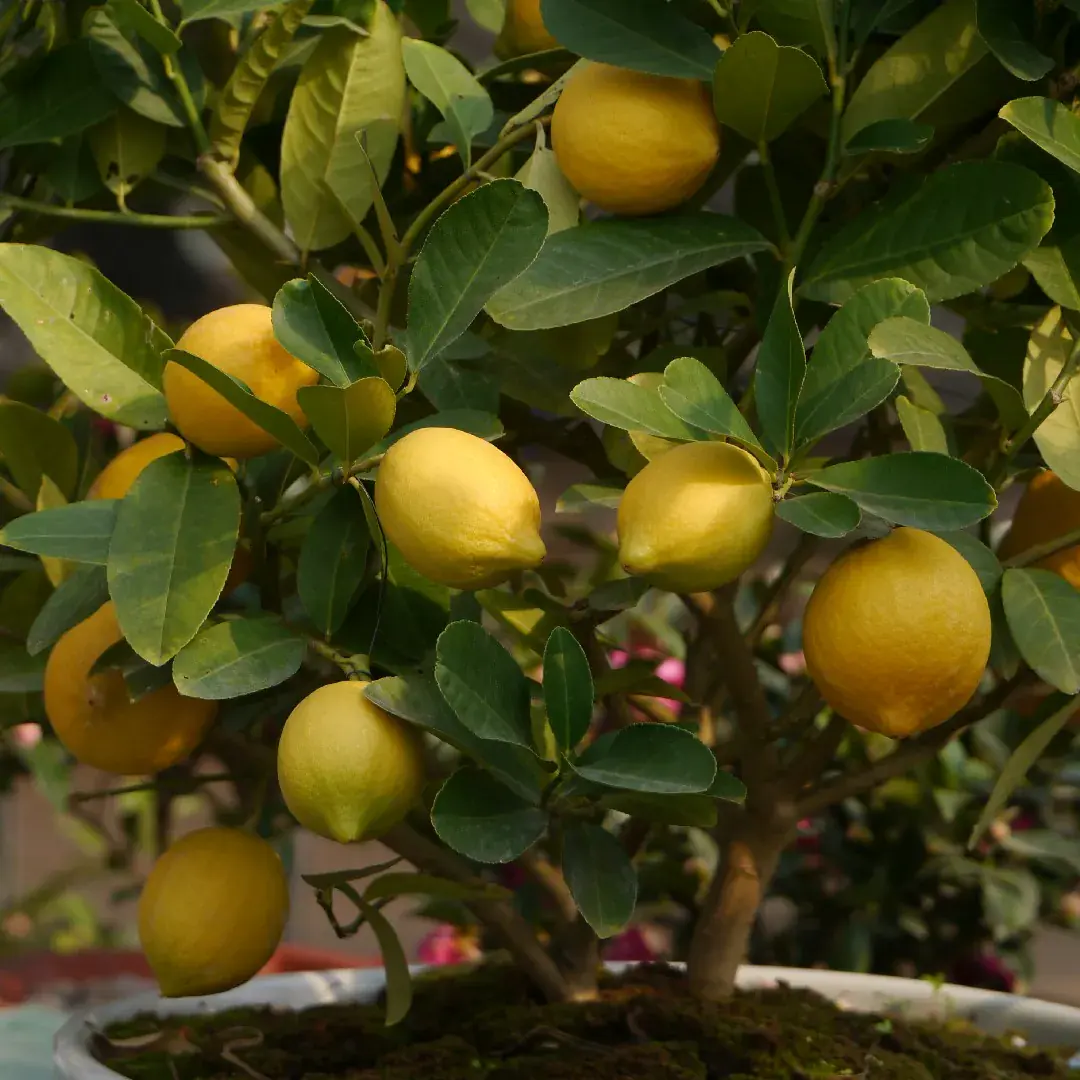
Lemon
The most requested citrus for home gardens: compact, fragrant, productive most of the year.
- Scientific name: Citrus limon
- Family: Rue family
A lemon tree combines three things that rarely go together: a size that fits any courtyard, intensely scented spring blossom, and fruit you pick as you need it. It does well in the ground or in a large container, and it is the first tree we suggest to anyone growing citrus for the first time.
At a glance
- Plant typeSmall tree
- WateringEvery 1–2 weeks
- LightFull sun
- Comfortable range20 – 38 °C
- Height2 – 6 m
- Spread1 – 2.5 m
- FloweringLate spring to early summer
- HarvestAutumn through winter
Care guide
Watering
Steady moisture without waterlogging: water every one to two weeks and allow slight surface drying in between. Swinging between bone-dry and flooded is the single biggest cause of split and dropped fruit.
Light and heat
Full sun, though in the hottest areas a little afternoon shade protects the fruit from sun scald.
Soil and feeding
Fertile, free-draining soil. Feed every four to six weeks through the growing season with a fruit-tree formulation, raising phosphorus at flowering. Ease off in winter.
Pruning
Prune in early spring: clear dead or diseased branches and open the canopy to light and air. Remove suckers below the graft union too — they drain the tree's energy.
Propagation
Cuttings with rooting hormone, high humidity and steady warmth. A grafted nursery tree will fruit years earlier than one raised from a cutting.
In Saudi conditions
Plant in early spring or autumn. Lemons are more sensitive to salty irrigation water than palms or olives; if your well water is saline, flush the root zone with one heavy watering every few weeks to push salts down and away.
Common problems
- Yellowing between the leaf veins — iron deficiency, very common in limestone soils
- Leaf miner, leaving winding silver trails through new growth
- Aphids and psyllids on soft new shoots
- Small fruit dropping after irrigation stress or a sudden heat spike
Need a hand?
Diagnosing leaf yellowing, setting a feeding programme and treating leaf miner all fall under our consulting and pest-control services.
Similar plants
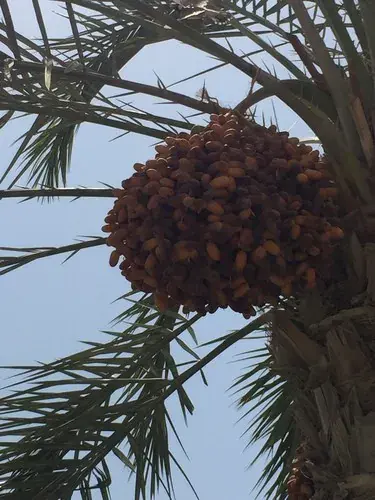
Date palm
Phoenix dactylifera
Saudi Arabia's signature tree: heat-hardy, salt-tolerant, productive for decades.
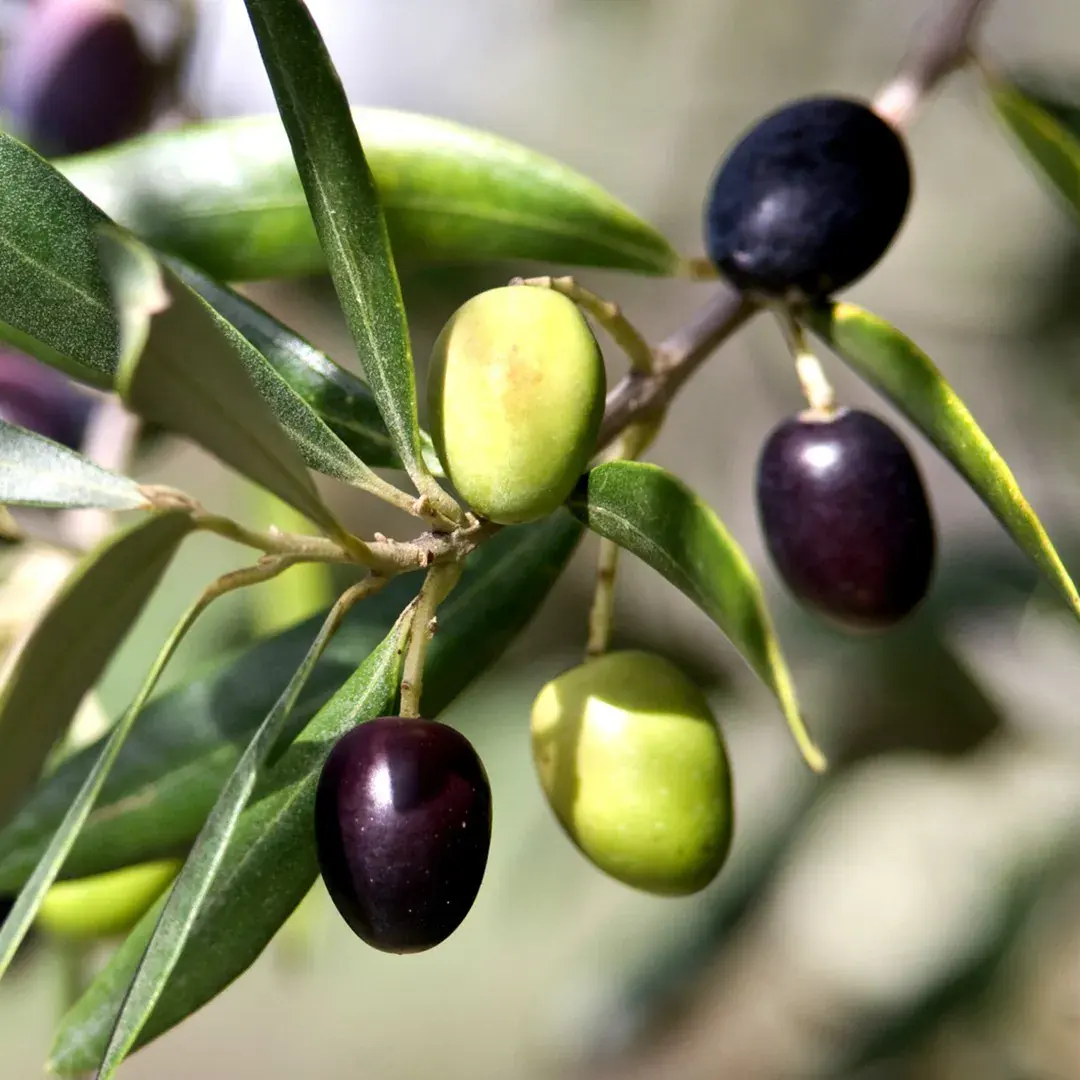
Olive
Olea europaea
A long-lived, silver-leaved tree that shrugs off drought — as a hedge or a specimen.
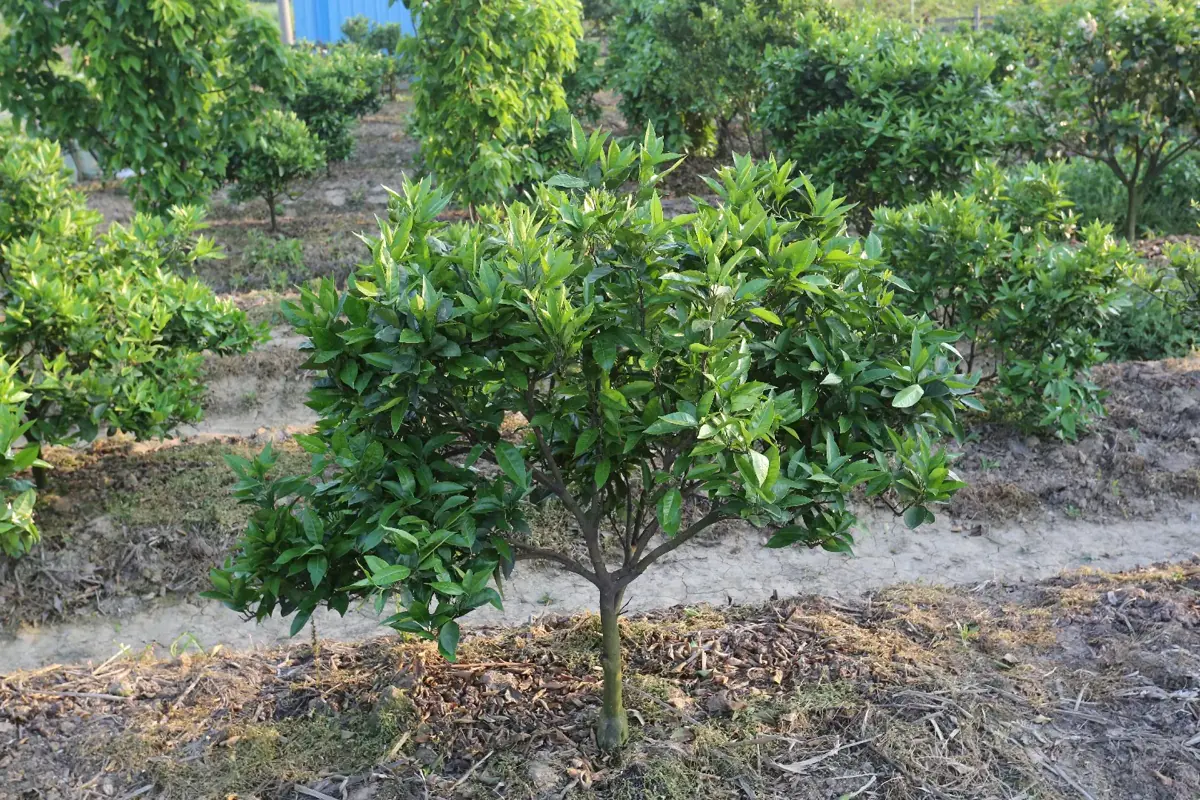
Mandarin
Citrus reticulata
Small, easy-peel citrus on a tree that fits a narrow courtyard.
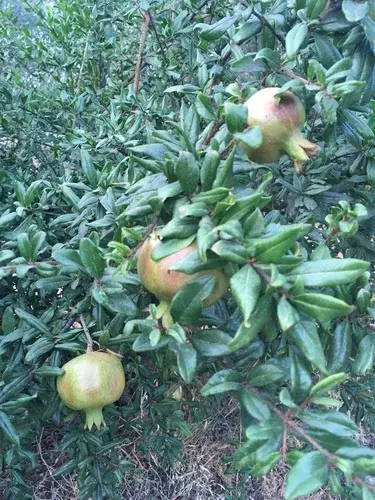
Pomegranate
Punica granatum
Crimson flowers in summer, fruit in autumn, on a tree that takes both heat and cold.