
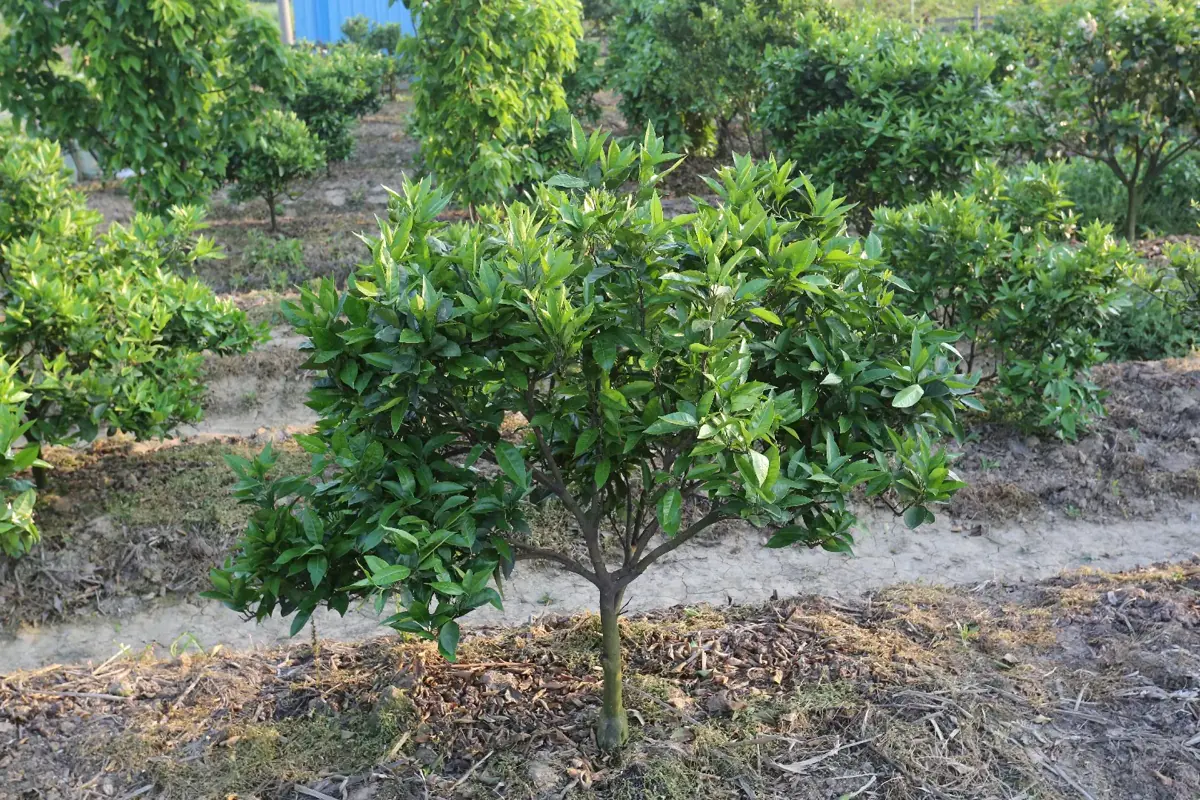
Mandarin
Small, easy-peel citrus on a tree that fits a narrow courtyard.
- Scientific name: Citrus reticulata
- Family: Rue family
- Also known as: Tangerine, Clementine
Mandarins are smaller and less demanding than oranges, and the fruit peels by hand without a knife — reason enough to prefer them in a garden with children. The tree stays dense, rounded and under about three metres, which suits courtyards that cannot take a full-size tree.
At a glance
- Plant typeSmall tree
- WateringEvery 1–2 weeks
- LightFull sun
- Comfortable range20 – 38 °C
- Height1 – 3 m
- FloweringMid to late spring
- HarvestAutumn
Care guide
Watering
Water regularly, every one to two weeks. Keep moisture especially even while the fruit is sizing up — drought at that stage gives you small fruit with dry rind.
Light and heat
Full sun produces the best sugar. High temperatures are fine as long as irrigation stays consistent.
Soil and feeding
Free-draining soil and a balanced feed (roughly equal nitrogen, phosphorus and potassium) every three months. Water before and after feeding so the roots don't burn.
Pruning
Prune annually in early spring: take out dead and diseased wood, and thin the interior to improve airflow and prevent crowding.
Propagation
Semi-woody cuttings in a free-draining medium with high humidity. In practice, buying a grafted tree from a trusted nursery is faster and more reliable.
In Saudi conditions
Its compact size makes mandarin one of the best citrus choices for rooftop containers or tight courtyards — provided the pot is deep and genuinely drains at the base.
Common problems
- Interveinal leaf yellowing from iron deficiency
- Aphids and leaf miner on new growth
- Flowers dropping before set after drought or hot wind
- Rind splitting when a heavy watering follows a dry spell
Need a hand?
Container citrus planting and seasonal feeding programmes are available through our verified farmers.
Similar plants
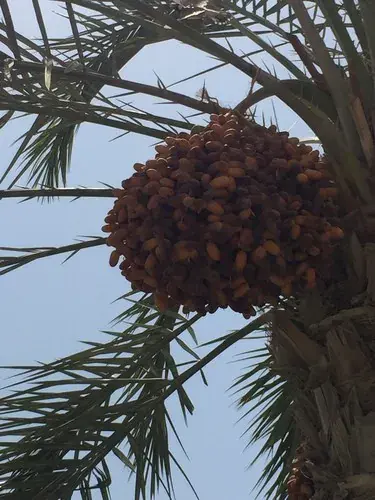
Date palm
Phoenix dactylifera
Saudi Arabia's signature tree: heat-hardy, salt-tolerant, productive for decades.
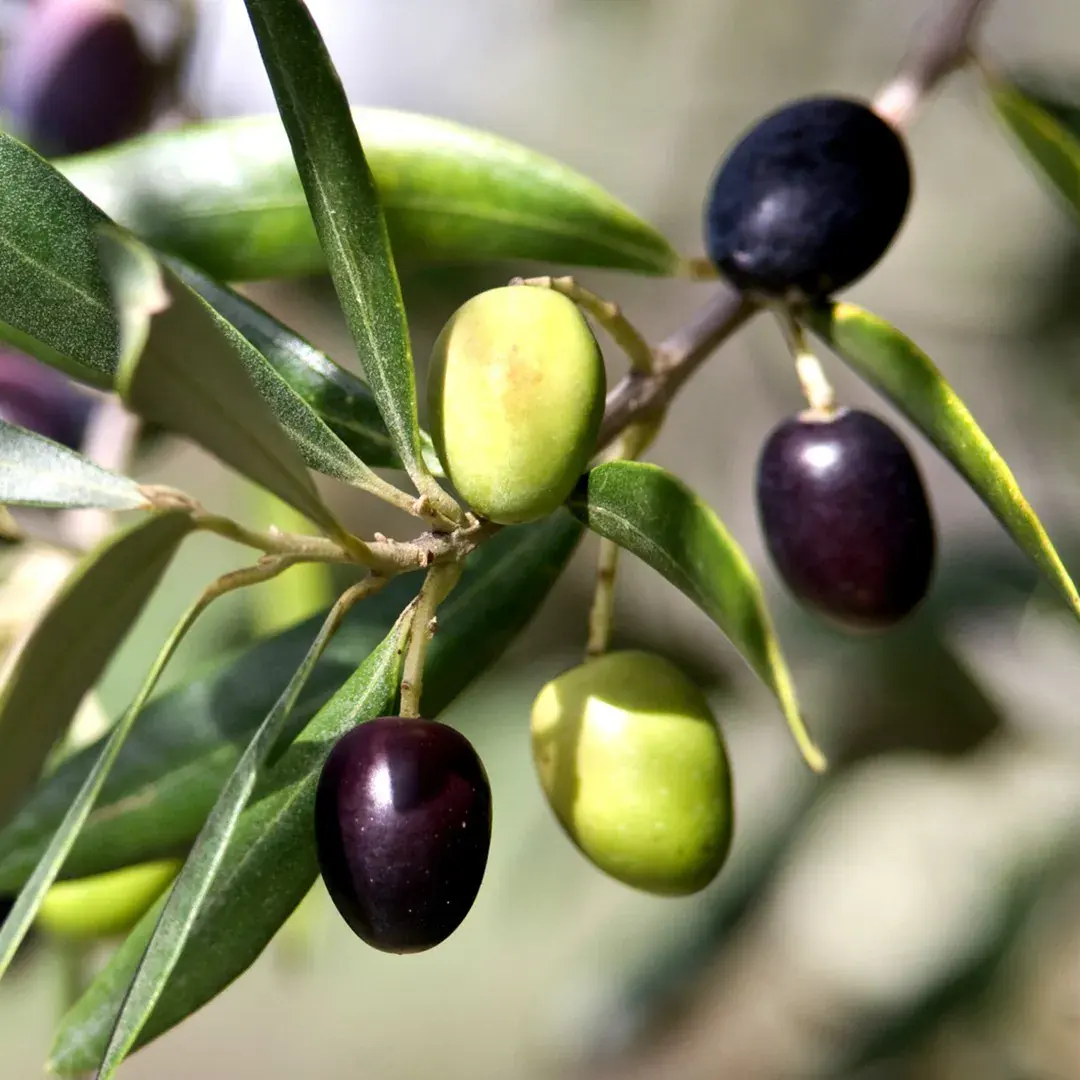
Olive
Olea europaea
A long-lived, silver-leaved tree that shrugs off drought — as a hedge or a specimen.
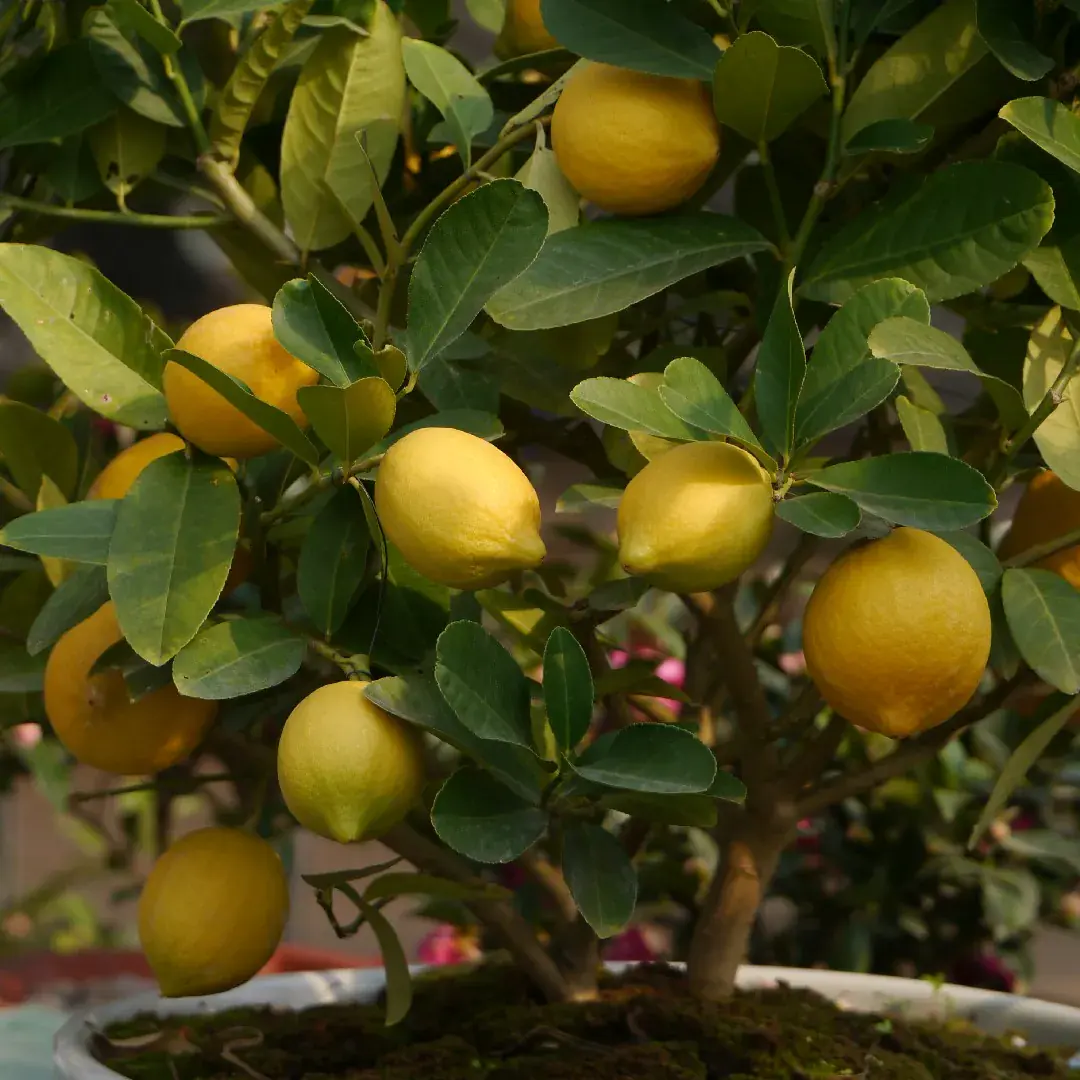
Lemon
Citrus limon
The most requested citrus for home gardens: compact, fragrant, productive most of the year.
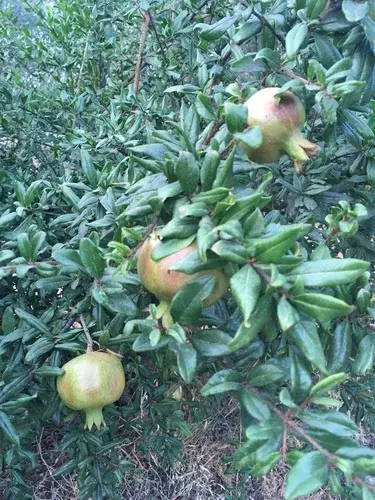
Pomegranate
Punica granatum
Crimson flowers in summer, fruit in autumn, on a tree that takes both heat and cold.