
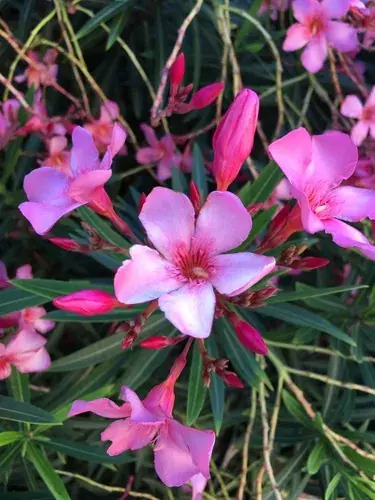
Oleander
An exceptionally tough flowering shrub — and toxic in every part.
- Scientific name: Nerium oleander
- Family: Dogbane family
Oleander is among the most punishing-conditions-tolerant ornamentals there is: heat, drought and salt, flowering all summer, which is why it lines highway margins. But every part of it is poisonous, and that is not a footnote — it is the first factor deciding whether it belongs in your garden.
At a glance
- Plant typeShrub or small tree
- WateringEvery 1–2 weeks
- LightFull sun
- Comfortable range15 – 38 °C
- Height2 – 6 m
- Spread1.8 – 3 m
- FloweringSummer
- Growth rateFast
Care guide
Watering
Every one to two weeks. It handles drought well once established and accepts lower-quality irrigation water than most ornamentals.
Light and heat
Full sun and a wide range from 15 to 38 °C. It tolerates wind, dust and reflected heat off asphalt.
Soil and feeding
A balanced feed monthly from spring through summer, halved for container plants. Stop in winter and water after feeding. Always wear gloves when handling it.
Pruning
Prune in early spring to manage size, encourage flowering and clear dead wood. Handle the clippings carefully: never burn them, and never leave them within reach of children or livestock.
Propagation
Healthy semi-hardwood cuttings with rooting hormone in a free-draining medium kept moist.
In Saudi conditions
A practical decision before planting: if young children use the garden or animals graze there, pick something else. Oleander is excellent for outer boundaries and screens away from play areas — not for beds beside the entrance.
Common problems
- Toxicity in every part, including clippings and the smoke if burned
- Aphids and scale on soft new growth
- Flowers wilting and dropping in extreme heat waves
- Leaf blight and whole branches dying back
Need a hand?
Pruning oleander and disposing of the clippings safely is work best handed to a verified farmer who knows how to handle it.
Similar plants
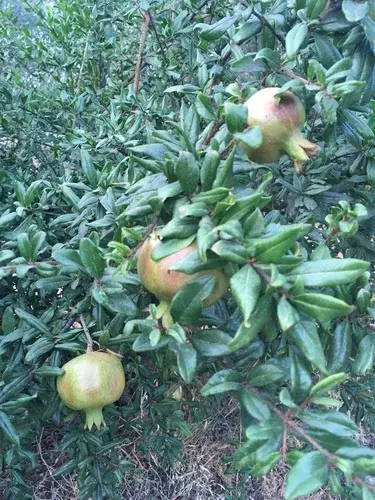
Pomegranate
Punica granatum
Crimson flowers in summer, fruit in autumn, on a tree that takes both heat and cold.
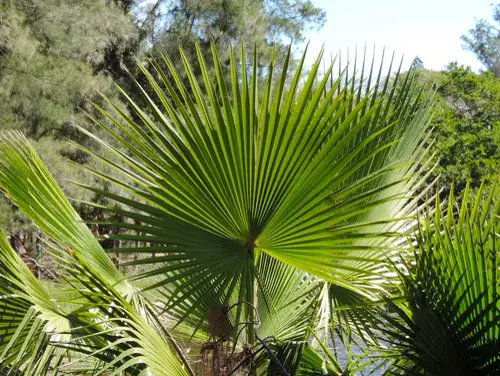
Washingtonia palm
Washingtonia robusta
A fast-growing ornamental palm with a slim trunk and fan fronds — the default at villa entrances.
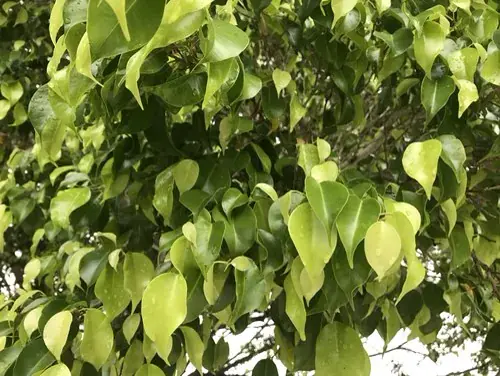
Ficus nitida
Ficus microcarpa
Glossy evergreen shade — clipped as a hedge or left to grow into a large tree.
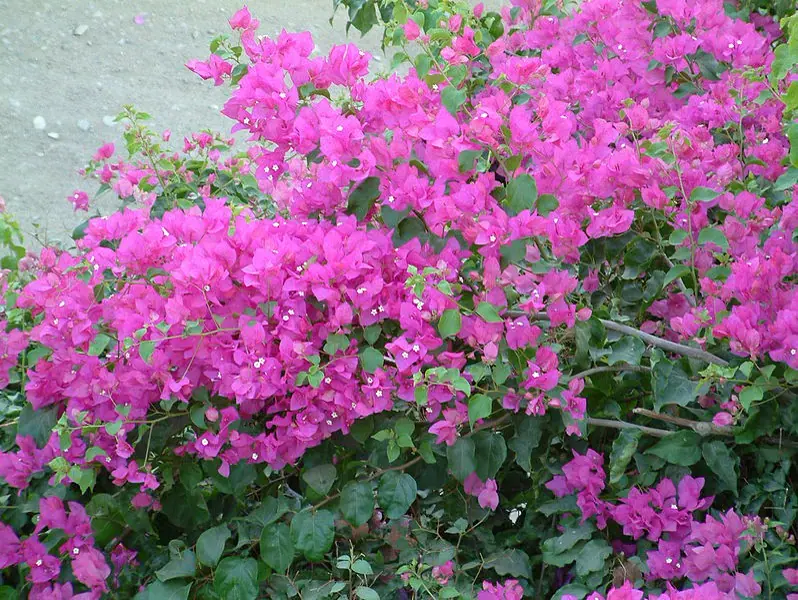
Bougainvillea
Bougainvillea glabra
The most colour per litre of water of anything in a Saudi garden.