
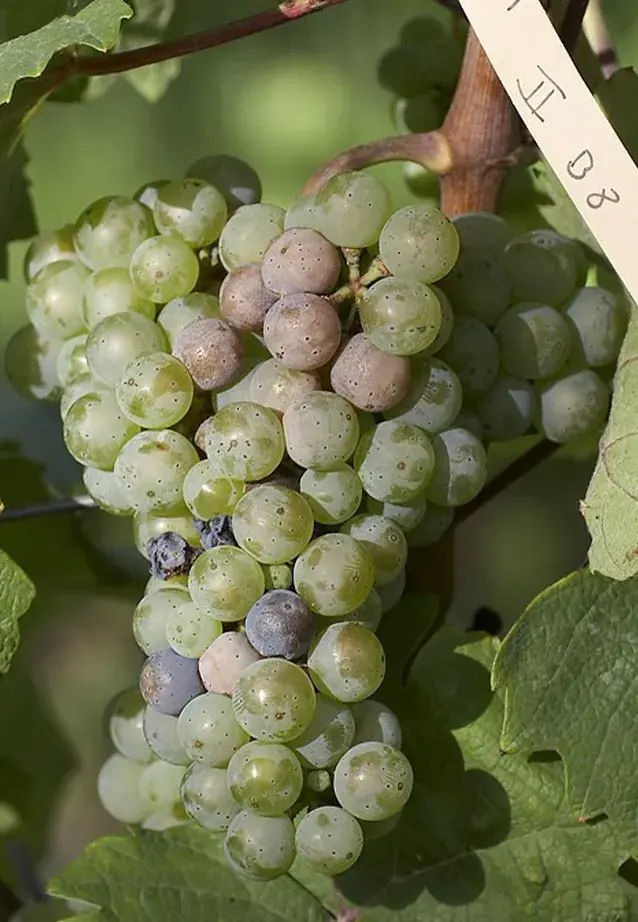
Grape
A climber that turns any pergola into living shade, with fruit in autumn.
- Scientific name: Vitis vinifera
- Family: Grape family
A grape is not a tree but a climber, and that is the first thing to understand before planting one: it needs a structure to climb, whether a pergola or a run of wire. In return it gives dense shade in summer exactly when you want it, and lets the sun back through in winter when its leaves fall.
At a glance
- Plant typePerennial vine
- WateringWeekly
- LightFull sun
- Comfortable range5 – 35 °C
- SpreadUp to 4 m
- FloweringMid spring to early summer
- HarvestEarly to mid autumn
Care guide
Watering
Water weekly and consistently, without waterlogging. Drip is the right choice here: it delivers water straight to the root and keeps leaves and bunches dry, which cuts fungal disease noticeably.
Light and heat
Full sun gives the highest sugar in the fruit. Vines prefer a relatively cool winter, so they do better in the centre and north of the Kingdom than on the coast.
Soil and feeding
Feed three times: early spring, before flowering, and after harvest. Work from a soil test where you can rather than guessing — over-feeding buys leafy growth at the expense of fruit.
Pruning
Pruning is not optional here — without it you will get almost no crop. Prune in winter, leaving two or three buds per fruiting spur, and thin the bunches before flowering to improve airflow and berry size.
Propagation
Hardwood cuttings from a healthy vine with rooting hormone, in a free-draining medium.
In Saudi conditions
Grapes are one of the most successful things to grow over a pergola in a Saudi courtyard: living shade that runs several degrees cooler underneath than a metal canopy, plus fruit in autumn.
Common problems
- Powdery mildew — the most common grape disease, worse where airflow is poor
- Berries rotting inside an overcrowded bunch
- Interveinal yellowing from iron deficiency
- An almost guaranteed poor crop if winter pruning is skipped
Need a hand?
Building the pergola, training the vine onto it and the annual winter prune are all part of our landscaping and maintenance services.
Similar plants
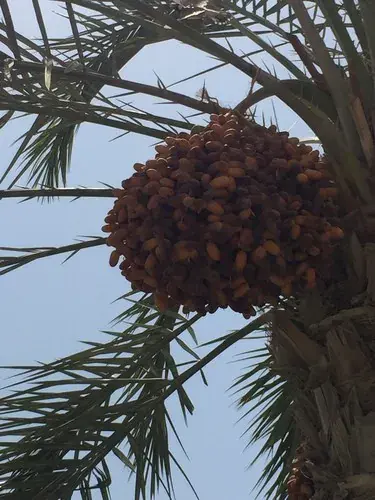
Date palm
Phoenix dactylifera
Saudi Arabia's signature tree: heat-hardy, salt-tolerant, productive for decades.
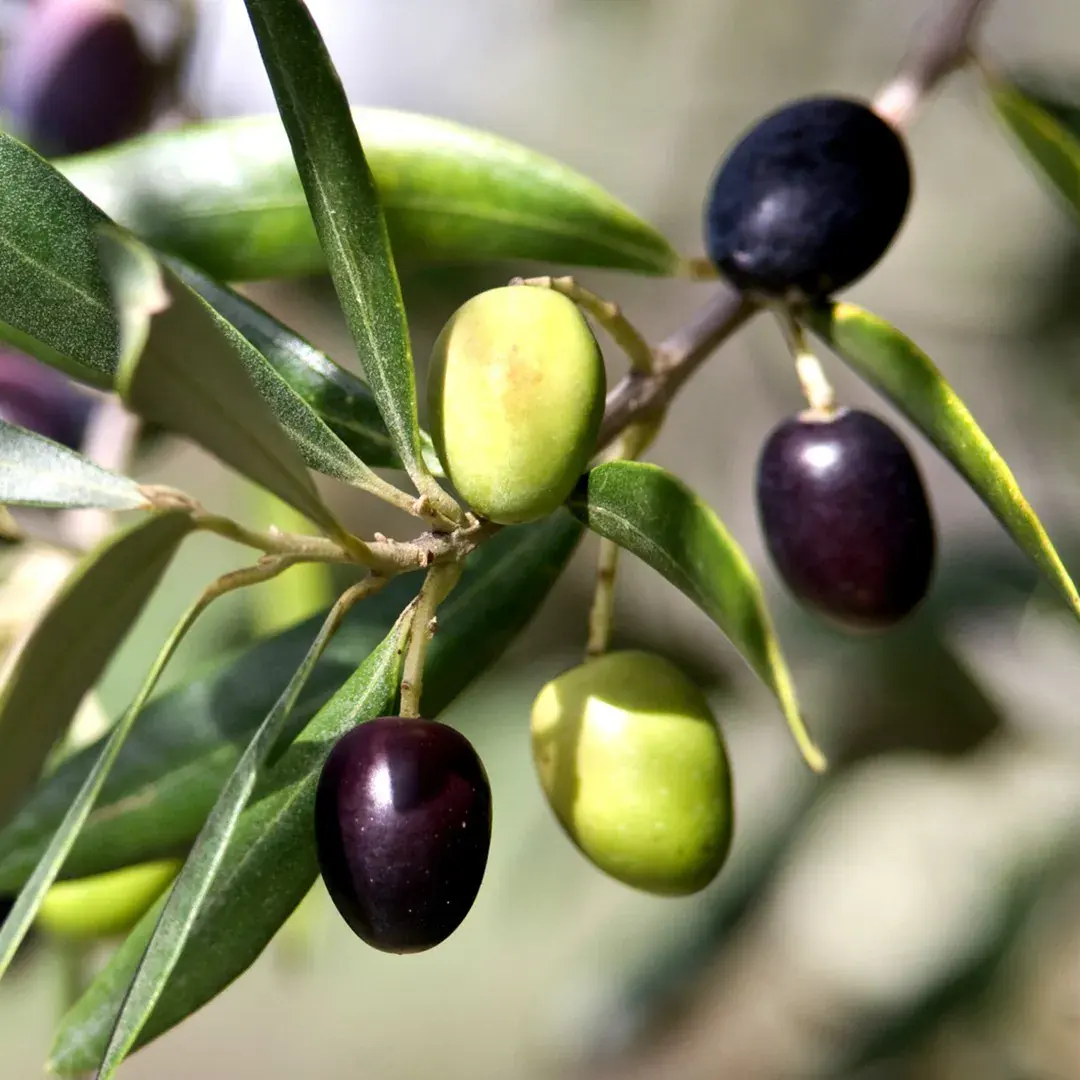
Olive
Olea europaea
A long-lived, silver-leaved tree that shrugs off drought — as a hedge or a specimen.
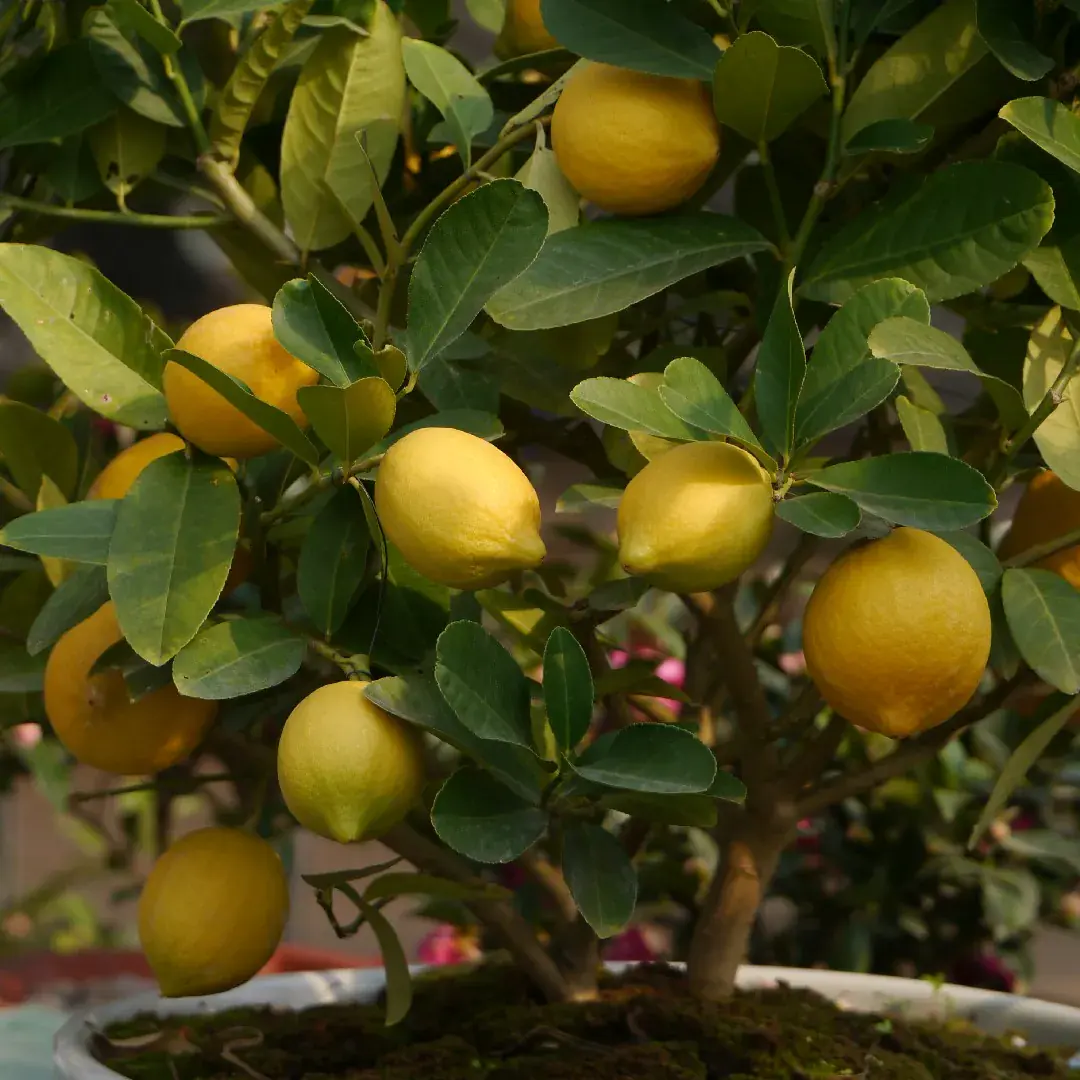
Lemon
Citrus limon
The most requested citrus for home gardens: compact, fragrant, productive most of the year.
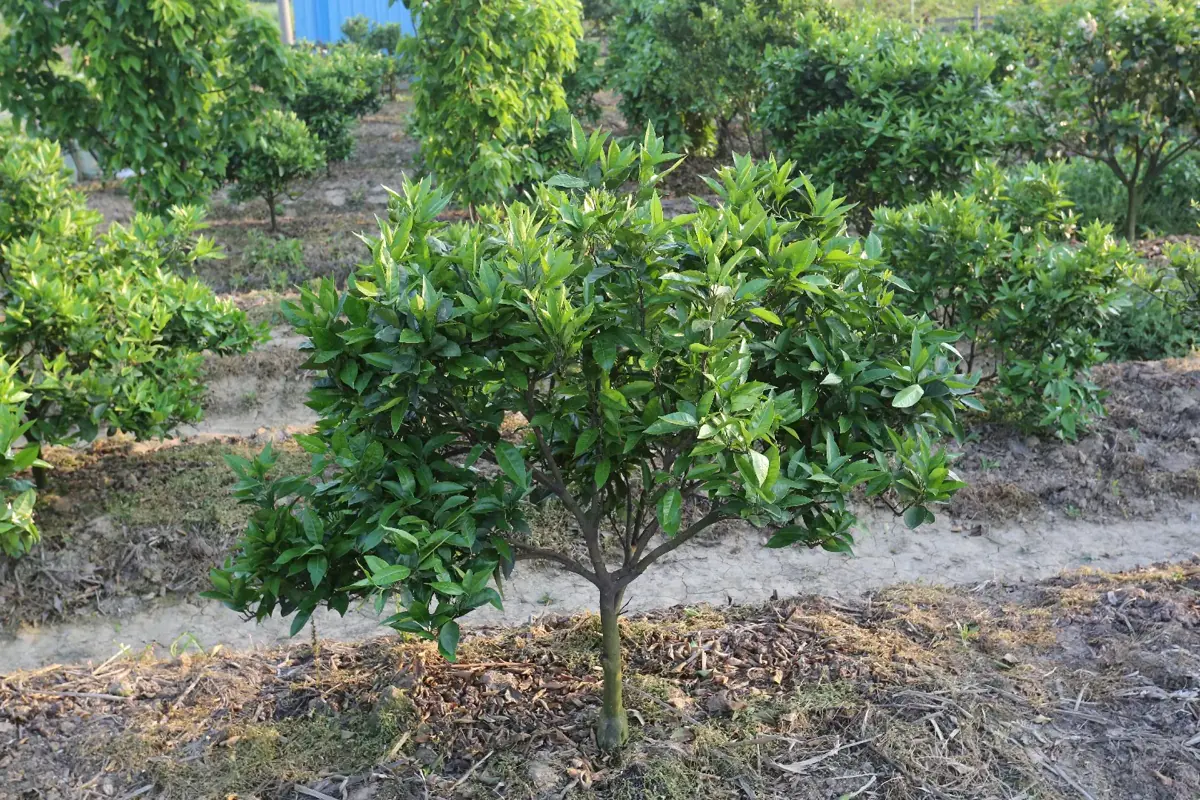
Mandarin
Citrus reticulata
Small, easy-peel citrus on a tree that fits a narrow courtyard.